Research and preservation

The work behind the record

Designations secured, collections digitized, burial grounds documented, and communities taught to research their own families.

Approach

How the evidence is handled

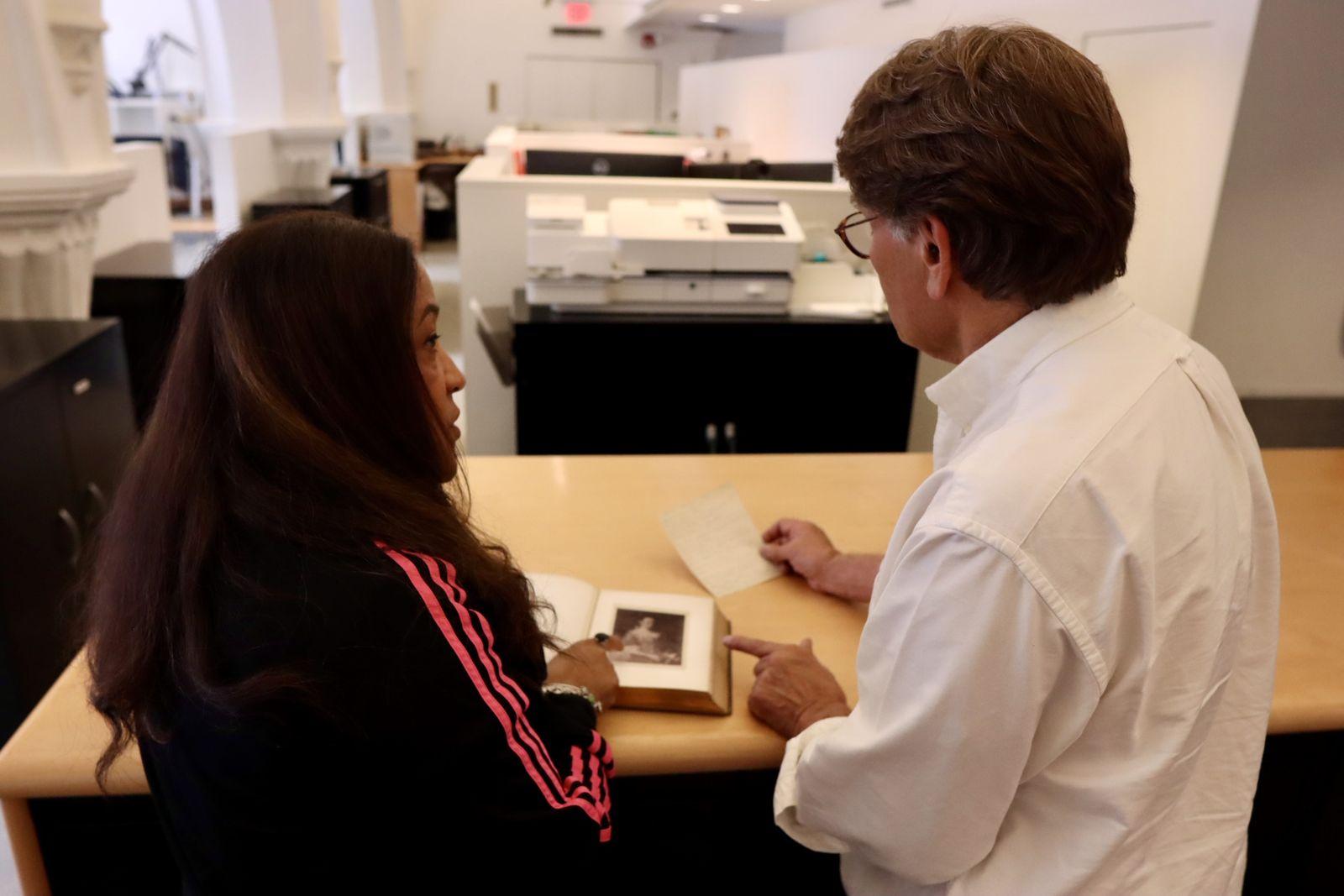
Dr. Carolyn Haliburton Carter examining a bound photograph album and a handwritten letter with an archivist at a reading-room table.
Working through an album and a manuscript letter with an archivist in a repository reading room.
  • Original sources only

    Birth and death certificates, wills, probate files, census returns, draft registrations, military and church records, land records and deeds. Indexes and online trees are finding aids, not evidence.

  • Cited as it is gathered

    Primary and secondary sources are documented and cited accurately, so that every conclusion can be retraced by someone else — including the family, years later.

  • Argued, not asserted

    Conflicting and missing evidence is analyzed rather than smoothed over. Findings are set out as a proof argument, a case study and a written report.

  • Preserved properly

    Records are handled in line with National Archives and Records Administration records-management practice, with particular care for rare and private family documents.

Case studies

Research projects in full

Projects Dr. Carter has reviewed and confirmed for publication here, with the role she held and what the research established.
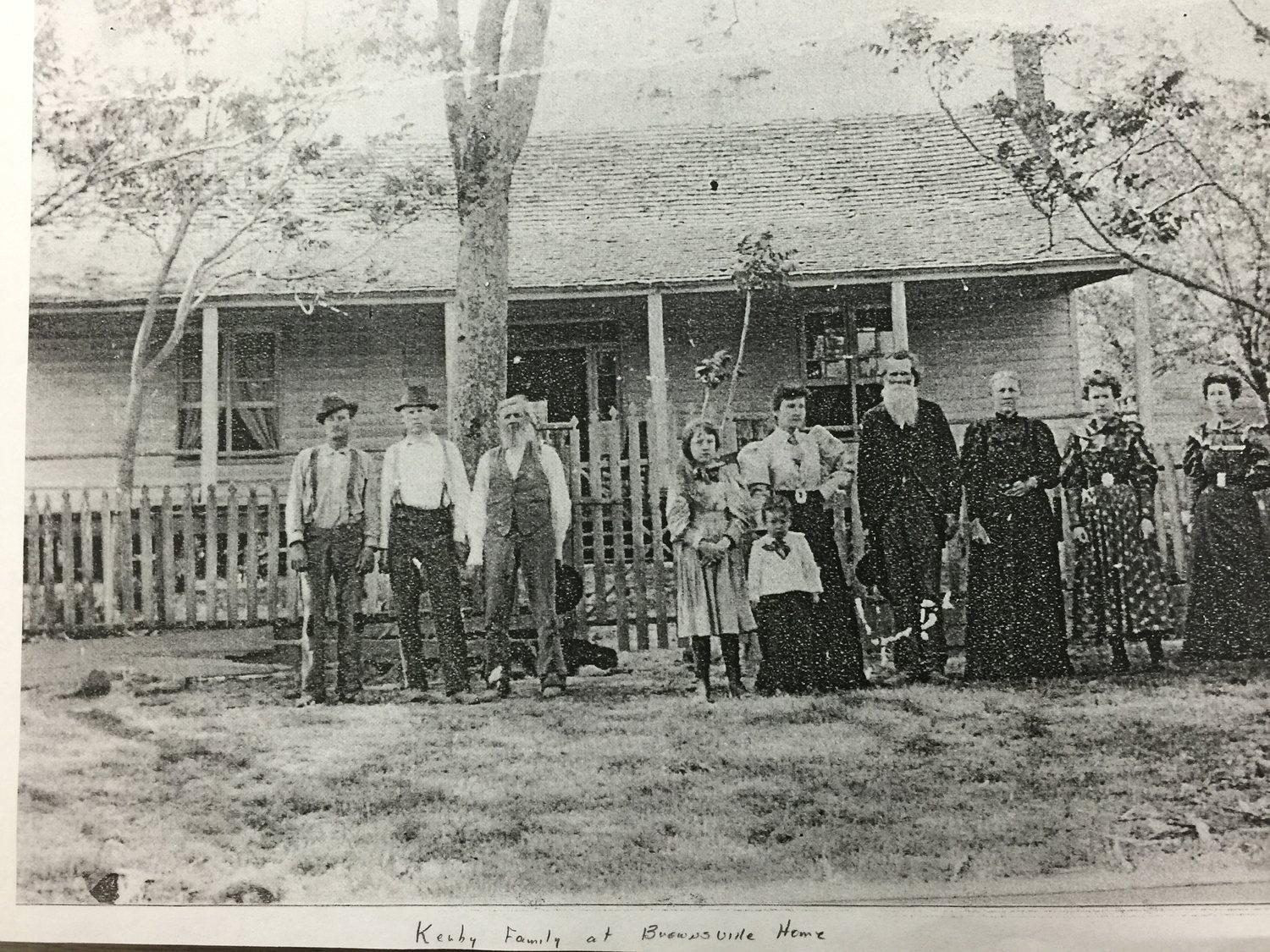
  • A copy photograph of a late nineteenth-century family group standing outside a timber house behind a picket fence, captioned in handwriting “Kerby Family at Brownsville Home”.

    “Kerby Family at Brownsville Home” — a copy of the surviving family photograph, spelled as written on the original.

    Family history research

    Kirby DNA: tracing a line through genetic evidence

    Research into the Kirby line, one of the family lines Dr. Carter descends from, combining documentary evidence with DNA testing. Genetic matching has connected her to relatives on the Christopher branch of the line, including a cousin in Ireland, and to the surviving photographic record of the family at their Brownsville home in Haywood County, Tennessee.

    Role
    Researcher and descendant
    Outcome
    Documentary and genetic evidence carried the line back into the late eighteenth century, alongside the Currie research in the same Tennessee county.
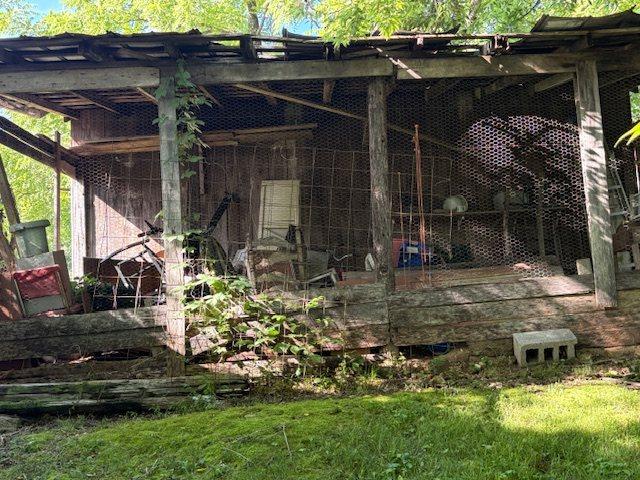
  • The remains of a timber outbuilding, roof partly collapsed and the structure overgrown, photographed in summer.

    What survives of Charles Whiteside’s house, photographed some ninety years on.

    Family history research

    The Whiteside plantation and Charles A. Whiteside

    Research into the Whiteside line and the plantation on which her ancestors were enslaved, following Charles A. Whiteside from bondage into work as a blacksmith. The surviving fabric was documented on site: the house, the church he built, the church where his wife was the only Black woman member, the original bench, and the enslaver’s gravesite.

    Role
    Researcher, descendant and author
    Outcome
    Published as “From Bondage to Blacksmith: The Unbreakable Spirit of Charles A. Whiteside” by the Tennessee Genealogical Society.
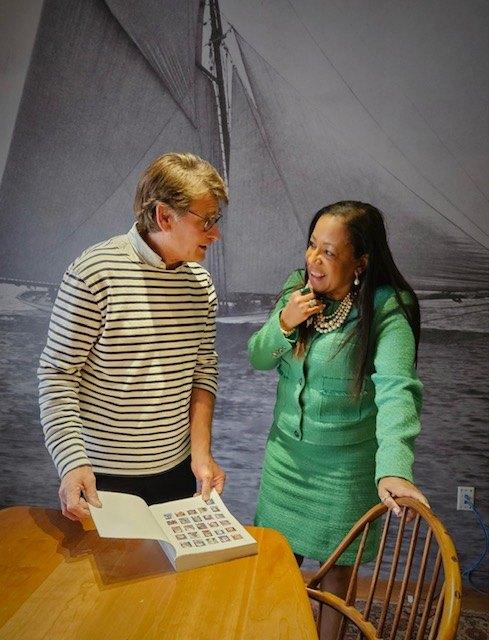
  • Dr. Carolyn Haliburton Carter and Paul Elias standing at a table, turning the pages of a large album together, in a room hung with a photograph of a sailing ship.

    With Paul Elias, three-times great-grandson of John Murray Forbes, going through the family record in Boston.

    Underground Railroad

    The Forbes family and the Underground Railroad

    Research into John Murray Forbes and the Forbes family’s part in the Underground Railroad and the antislavery movement, prepared and presented in Boston, working with Paul Elias, three-times great-grandson of John Murray Forbes.

    Role
    Researcher and presenter
    Period
    Boston, April 2024
    Outcome
    Presented as the Forbes Family / John Murray Forbes Underground Railroad presentation, Boston, April 2024.
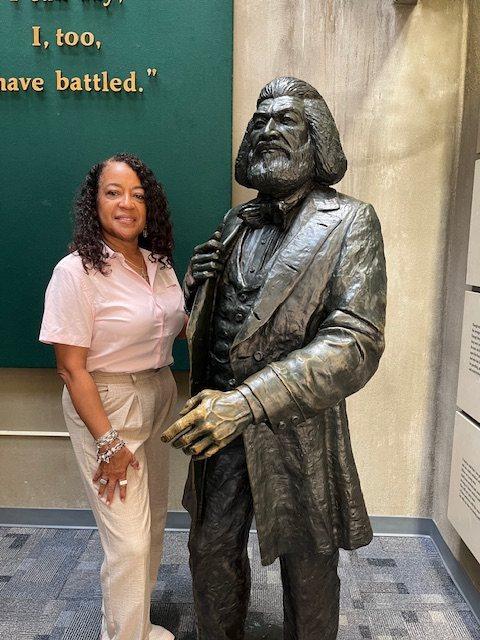
  • Dr. Carolyn Haliburton Carter standing beside a life-size bronze statue of Frederick Douglass, below a wall bearing the words “I, too, have battled”.

    Beside the Frederick Douglass statue, under his own words: “I, too, have battled.”

    Underground Railroad

    Frederick Douglass in Anacostia and in Detroit

    Research following Frederick Douglass between the two cities that frame Dr. Carter’s own work: Washington, D.C., where she served as a Civil Rights Historian for the National Park Service in the National Capital Region, and Detroit, where Douglass spoke and where the Underground Railroad crossed the river into Canada.

    Role
    Researcher
    Outcome
    Site and collection research supporting her writing on emancipation in Washington, D.C.
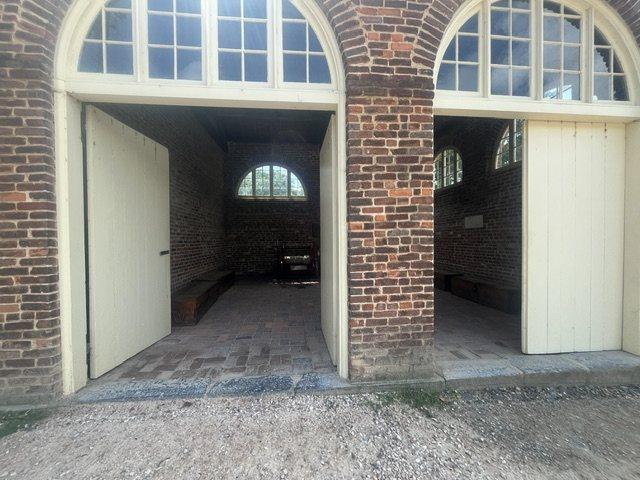
  • The brick engine house at Harpers Ferry known as John Brown’s Fort, its arched doorways standing open onto a brick floor.

    John Brown’s Fort — the armoury engine house at Harpers Ferry, where the raid of October 1859 ended.

    Underground Railroad

    John Brown and Harpers Ferry

    Site research at Harpers Ferry, where John Brown’s raid of October 1859 ended in the armoury engine house, and in the collections that hold the contemporary record of those days.

    Role
    Researcher
    Outcome
    Site documentation supporting her Underground Railroad research and public programs.
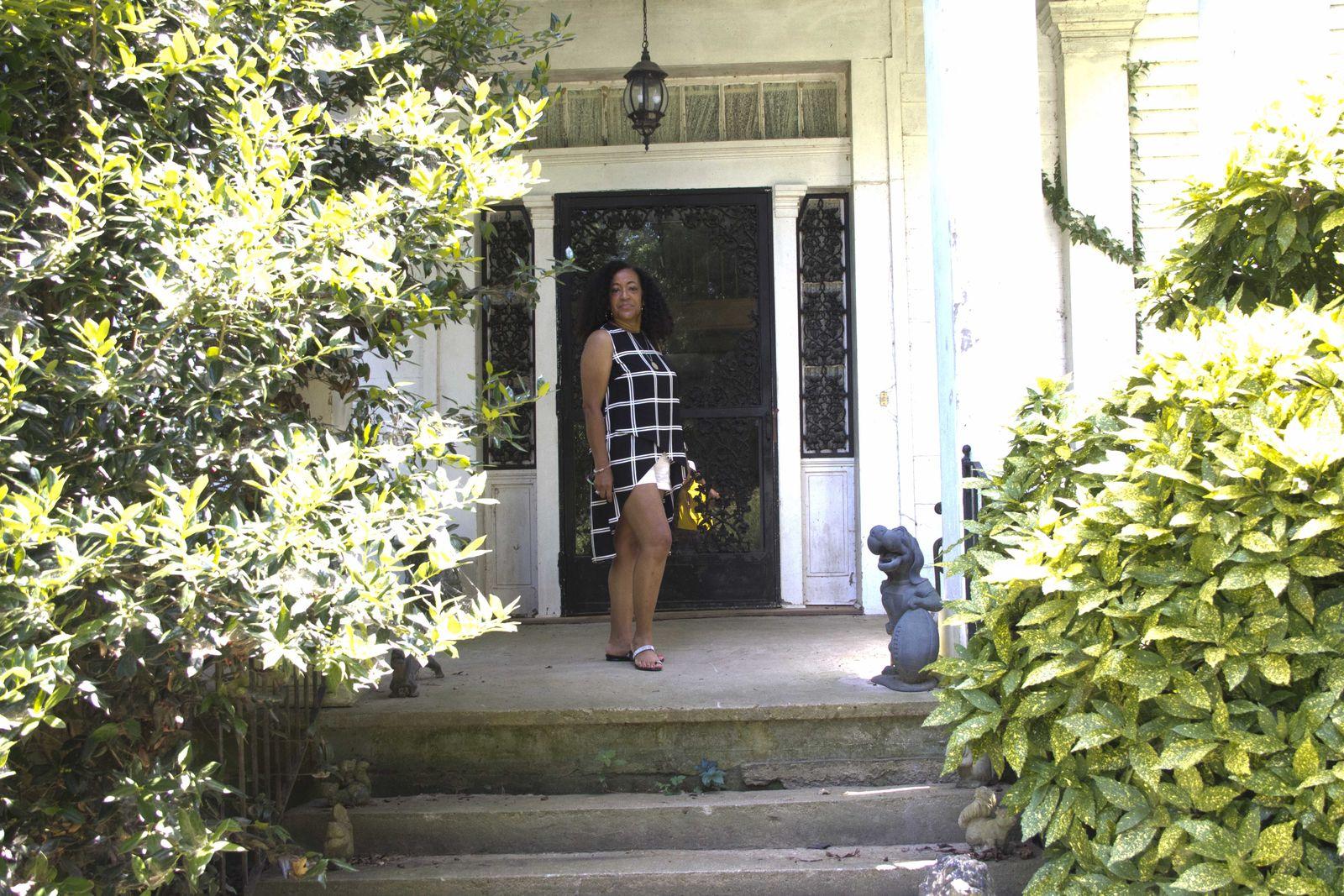
  • Dr. Carolyn Haliburton Carter standing at the front door of the Currie/Curry plantation house in Haywood County, Tennessee.

    On the porch of the Currie/Curry plantation house, Haywood County, Tennessee.

    Personal ancestral research

    The Currie/Curry Plantation, Haywood County, Tennessee

    Walking in the footsteps of her maternal ancestors at the plantation where they lived, worked and died, and connecting with the descendants of the family that enslaved them.

    Role
    Researcher and descendant
    Outcome
    Maternal lineage traced to the late 1700s and recorded in the family history book she compiles every five years.

Professional record

Documented research and preservation work

Drawn from Dr. Carter's own published account of her career and from the institutional coverage linked on the media page. Listed as a record of work undertaken, not as case studies.
  • Historic preservation

    Network to Freedom designations along the Detroit River

    Researcher and applicant

    Two National Park Service Network to Freedom Underground Railroad historic designation applications for areas along the Detroit River, together with a local historic UGRR designation secured in the City of Detroit.

    Outcome: Both National Park Service applications were accepted and designated.

  • Community and institutional research

    Wayne State University Campus Genealogy Project

    Project lead and instructor · 2025–2026

    A six-month program run with Wayne State's Office of Inclusive Excellence, guiding more than twenty members of the campus and alumni community through research into family histories fragmented by slavery, discrimination and missing records — workshops, research sessions and computer-lab instruction in archival databases, census records and DNA analysis, including the FAN method of researching friends, associates and neighbors.

    Outcome: Participants traced lines they had believed unrecoverable. The results premiered in a documentary film at Wayne State's Juneteenth celebration on June 17, 2026, themed “Centering Stories of Resilience”.

  • Historic preservation

    Wayne County Community College District — Underground Railroad site

    Historian and Researcher

    Intensive research into the history of the WCCCD site and the Michigan Central Railroad's national designations, prepared to the evidentiary standard required by both a municipal and a federal reviewing body.

    Outcome: WCCCD received a City of Detroit local historic site designation and a National Park Service Network to Freedom Underground Railroad designation, supporting the District's programming.

  • Public history

    African American burial sites — National Park Service

    Civil Rights Historian (former)

    In-depth archival and literature-based research documenting the historical and cultural significance of African American burial sites, including the development of site profiles and consultation with descendant communities.

    Outcome: Research prepared to inform preservation and management strategies.

  • Archives and digitization

    Blanche Coggan Collection — Charles H. Wright Museum

    Researcher

    Research and digitization of documents in the Blanche Coggan Collection as part of the Museum's archiving project, using archival software to catalog, access and arrange the collection for internal and external research.

    Outcome: Collection material prepared as digital images for database use.

  • Historic recognition

    City of Detroit secondary street signs

    Researcher and applicant · Unveiled December 2023

    Historic research and collaboration supporting City of Detroit secondary street sign applications for two notable Detroiters: Dr. Curtis L. Ivery of Wayne County Community College District, and Beulah T. Whitby.

    Outcome: Both applications were completed and unveiled in December 2023.

  • Institutional archives

    Saint Augustine's University Archives

    Project oversight and researcher

    Oversight of an art appraisal consultancy to establish the value of the University's historic artwork, with recommendations on acquisition and sale and review of the appraisal reports. Research into the history of Saint Augustine's University, St. Agnes Hospital and the historic chapel built by the founding families and students.

    Outcome: Appraisal reports reviewed and edited; historical research prepared for grants and presentations.

  • Public history

    Underground Railroad historic bus tours

    Developer, coordinator and narrator

    Historic bus tours of Detroit's Underground Railroad, developed and narrated for audiences in Detroit and in Cincinnati, Ohio.

    Outcome: Delivered for community, sorority and youth organization audiences, including Jack and Jill of America.

  • Oral and public history

    Off the Beaten Path: Detroit's Black Historical Past

    Researcher and interviewer

    Research, interviews and collection of historical information on Black Detroiters who made significant contributions to the city's history.

    Outcome: A body of interview and documentary material on Detroit's Black past.

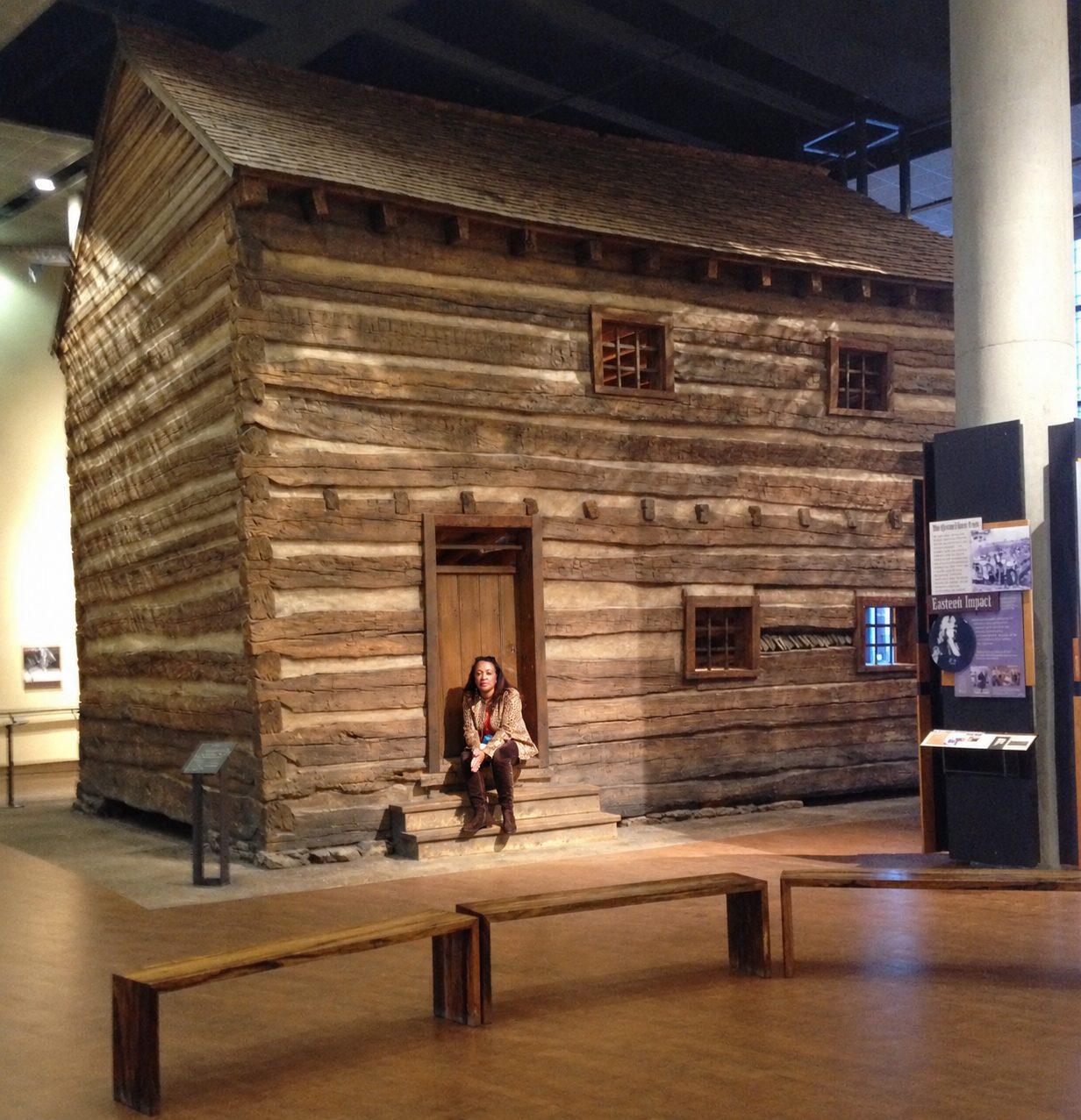
Dr. Carolyn Haliburton Carter sitting on the steps of the two-storey log slave pen installed inside the National Underground Railroad Freedom Center in Cincinnati, with museum benches and an interpretive panel nearby.
At the reconstructed slave pen, National Underground Railroad Freedom Center, Cincinnati — during a National Park Service Underground Railroad regional conference. The pen was used by a Kentucky slave trader to hold enslaved people before they were sold farther south.
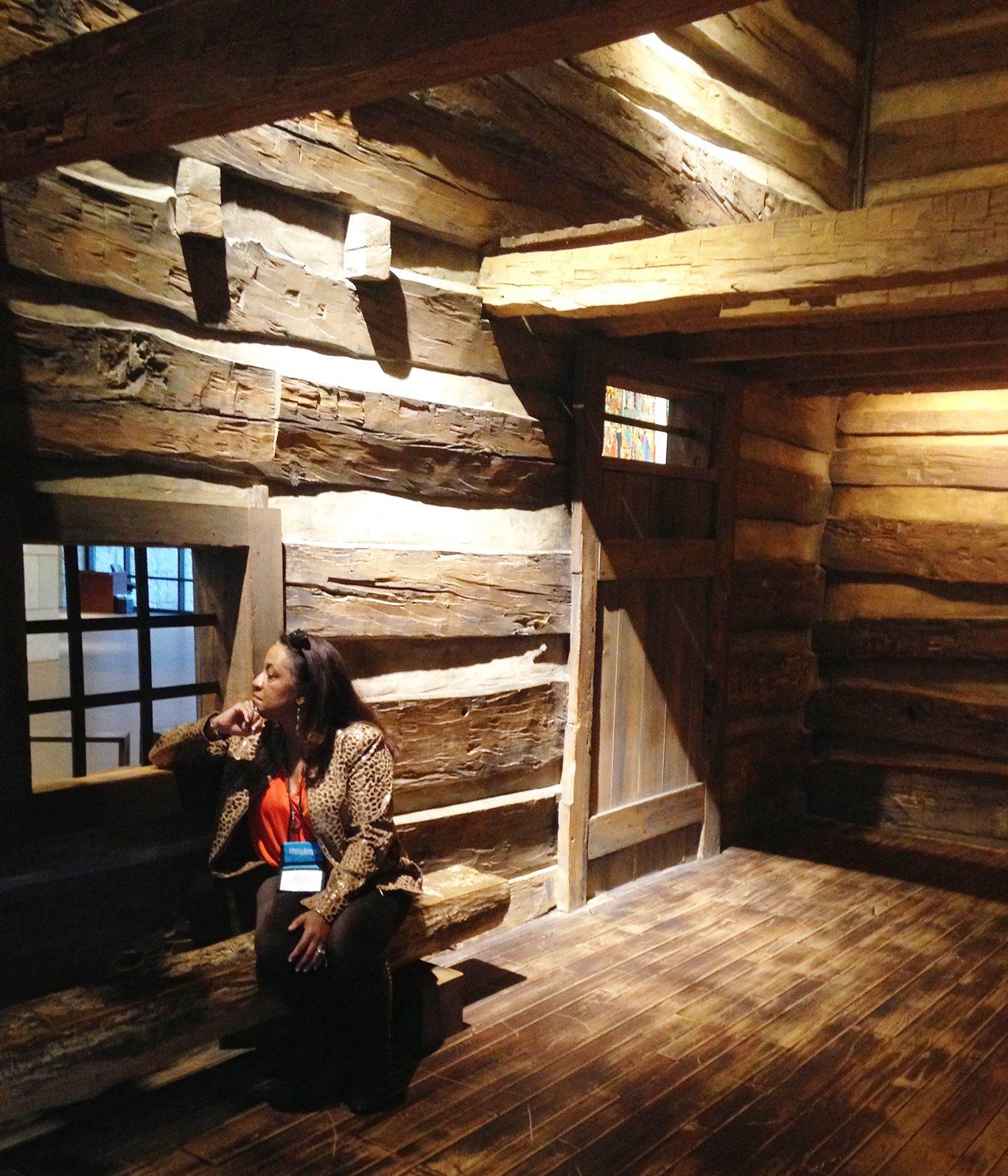
Dr. Carolyn Haliburton Carter sitting alone on a low log ledge inside the slave pen, chin resting on one hand, surrounded by hand-hewn log walls, with a small window beside her, a plank door to the right and a loft overhead.
Inside the same structure, on the same visit — hand-hewn logs, a loft overhead, and a single plank door.

Repositories

Where the research is done

Dr. Carter is a registered researcher at national repositories and has worked in state and county archives across the country, as well as with historical societies in the United States, Africa and Ireland.

Selected repositories

  • Family History Library, Salt Lake City, UT
  • Library of Congress, Washington, DC
  • National Archives, Washington, DC
  • Tennessee State Archives
  • Ohio State Archives
  • State Archives of Michigan, Lansing
  • Caswell County Archives, North Carolina
  • Allen County Public Library, Fort Wayne, IN
  • Kentucky genealogical repositories
  • Charles H. Wright Museum of African American History, Detroit